PRODUCTS AND SERVICES
Check out this section's heading


Some of our favourites

Foundry Blend
from £9.75
This is our signature coffee blend which kick started our business. Named after the Soho foundry owned by the MacAdam brothers where our roastery is located. This area was the industrial heartland of the emerging city of Belfast in the early 1800’s.
McAdam’s Soho Foundry emerged in the 1820’s at the period when there was a large development in the engineering of iron and brass foundering industries in Belfast.We wanted Foundry to provide all the things we love in coffee, a blend that covers a lot of bases. It is made up of coffees from Brazil, Honduras and Papua New Guinea, which are either certified or transparently traded coffees.
This coffee is full bodied, full of fruity sweetness with syrupy redcurrant and sloe berry notes. A crisp taste of buttered toast, with the flavour of brioche with almonds and honey coming through in the finish.

Brazil SanCoffee
from £11.00
Flavours of hazelnut, caramel and honey.
We are thrilled for our Brazil SanCoffee to have been shortlisted as finalists for the IQFA Awards in Ireland in July 2023. We had the pleasure of being nominated alongside other great businesses and are so proud that our very own coffee made the finals for Best Hot Beverages 2023.
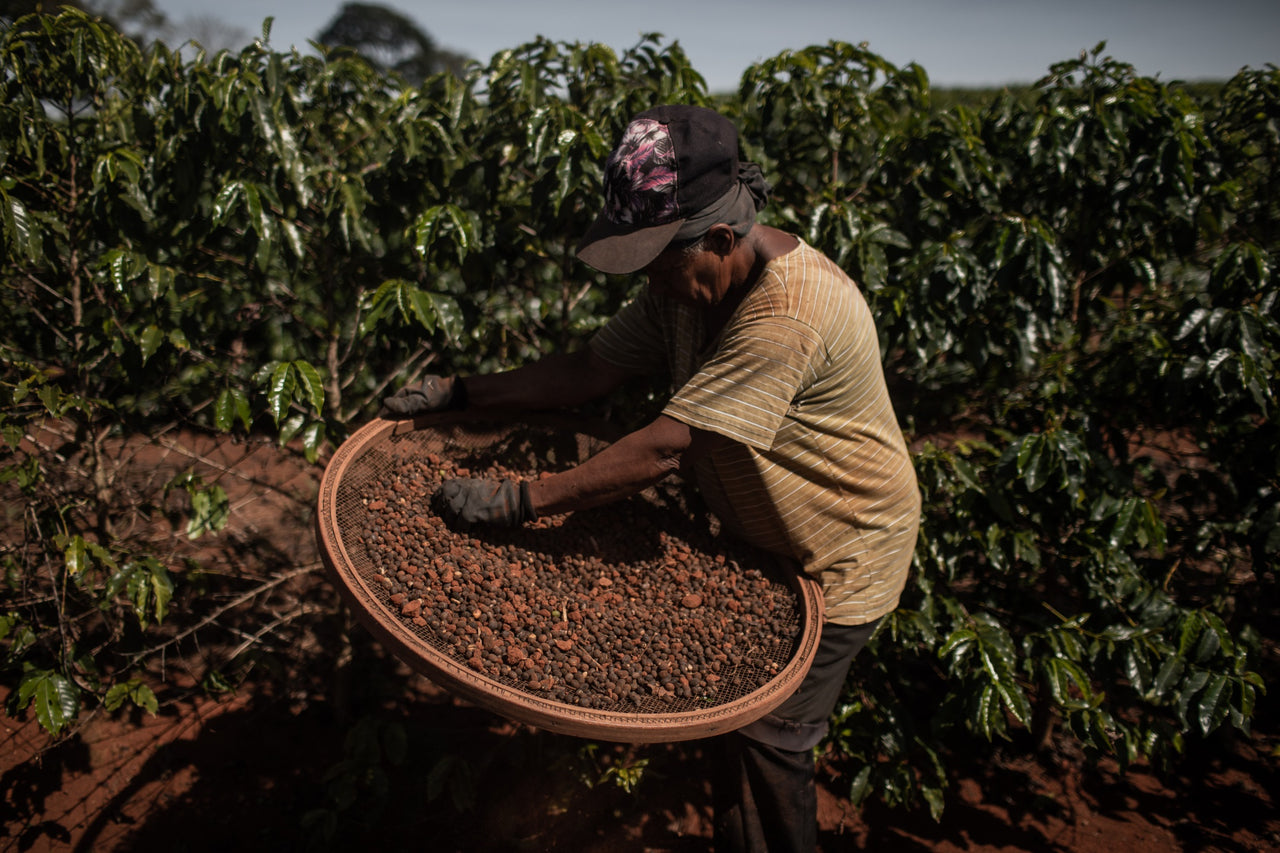
This fully traceable, transparently traded coffee comes from the San Antonio estate in the South of Minas Gerais. SanCoffee is a cooperative made up of 20 fazendas or estates.
SanCoffee have a centralised lab, warehouse and dry mill, as well as a dedicated team of Q Graders who manage the quality for all the member estates. Working as a group through the central lab enables estates to share and gain from the collective’s many years of combined experience. More so, having total control of their warehouse and dry mill enables complete traceability and precise milling specifications for customers.
SanCoffee as a collaborative export partnership have managed to mitigate the influence of a dangerously low market price. And in most cases, premiums to growers are 30-50% higher than both the local and C price market rates. SanCoffee and its members continue to mobilise and collaborate to strengthen the ability for its members to sell at above local market rates, in turn championing economic sustainability.
This 80+ points graded coffee is a real winner offering flavours of hazelnut, caramel and honey working as an excellent single origin coffee as well as contributing natural sweetness towards any blend.
Carbon neutrality
SanCoffee has long been committed to the sustainability of its activities, whether in terms of environmental preservation or social responsibility, aiming to improve living conditions in the surrounding communities and contribute to the future of generations to come.As coffee growers, we are deeply connected with nature but also involved with the most important economic activity in our region. Thus, we strongly believe we can collaborate more with the planet and our people.Climate change is undoubtedly one of the major issues we are facing, it poses a real threat to the future of coffee growing. Therefore, we see it as a natural evolution to start working on our carbon footprint. In 2020, for the first time, we have been able to offset 100% of greenhouse gases emissions corresponding to the year 2019, to become one of the first coffee coops to achieve Carbon Neutrality in Brazil.

Colombia Excelso
from £9.25
Notes
Zesty caramel, chocolatey with a crisp apple acidity and lime. Aromas of cherry and fruit juice.
Colombia is the second-largest producer of coffee in the world and the largest producer of washed and Arabica coffees. Annually, Colombia exports approximately 12.5 million bags and consumes 2 million bags internally.
Colombia only produces washed Arabica coffee. There are three primary varieties grown in Colombia, and the coffee is referred to by the region in which it is grown.
"Excelso" is a grading term for exportable coffee from Colombia, not related to variety or cupping profile. EP (European Preparation) specifies that the raw beans are all hand sorted to remove any defective beans and foreign material.
Excelso coffee beans are large, but slightly smaller than Supremo coffee beans. Excelso beans are a screen size of 15-16, versus Supremo beans, which are sized on screen 17. Colombian coffee is graded before shipment according to bean size. Supremo and Excelso coffee beans can be harvested from the same tree, but they are sorted by size. Excelso accounts for the greatest volume of coffee exported from Colombia.
This coffee produces zesty caramel and chocolate with crisp apple acidity and lime, aromas of cherry and fruit juice.

Turbine Blend
from £8.75
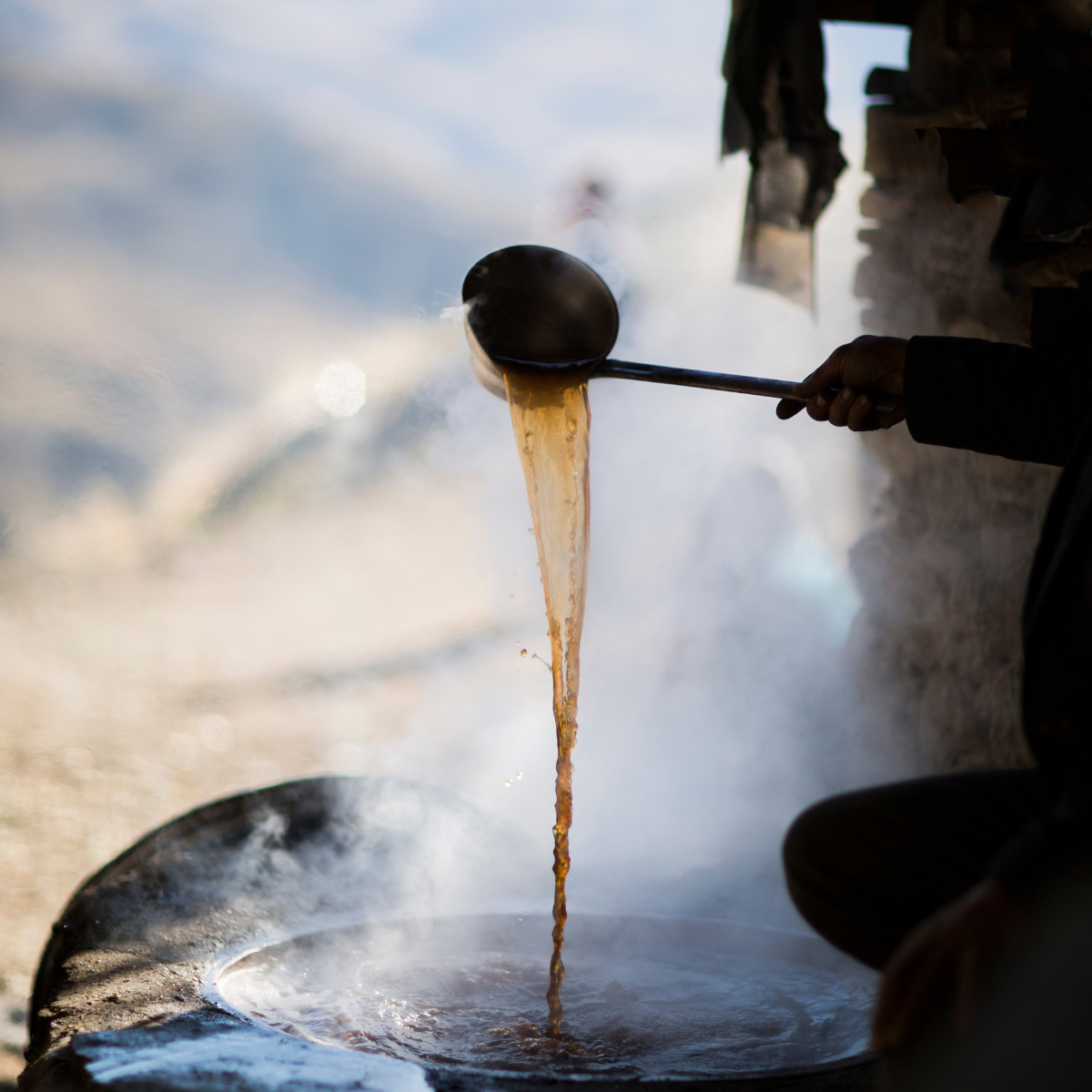
This is our seasonal blend which we feel ticks all the boxes for a good espresso. This blend is predominantly a South American combination which provides flavours of chocolate, fruit and sweet molasses. Currently we are using a blend of Cerrado from Brazil and Cosecha Azul SHG from Honduras, both are grown at altitudes above 1100 metres above sea level.

Costa Rica Aquiares
from £10.25
The flavour profile is black cherry, caramel, raisin, toffee and vanilla with an SCA score of 84.75.
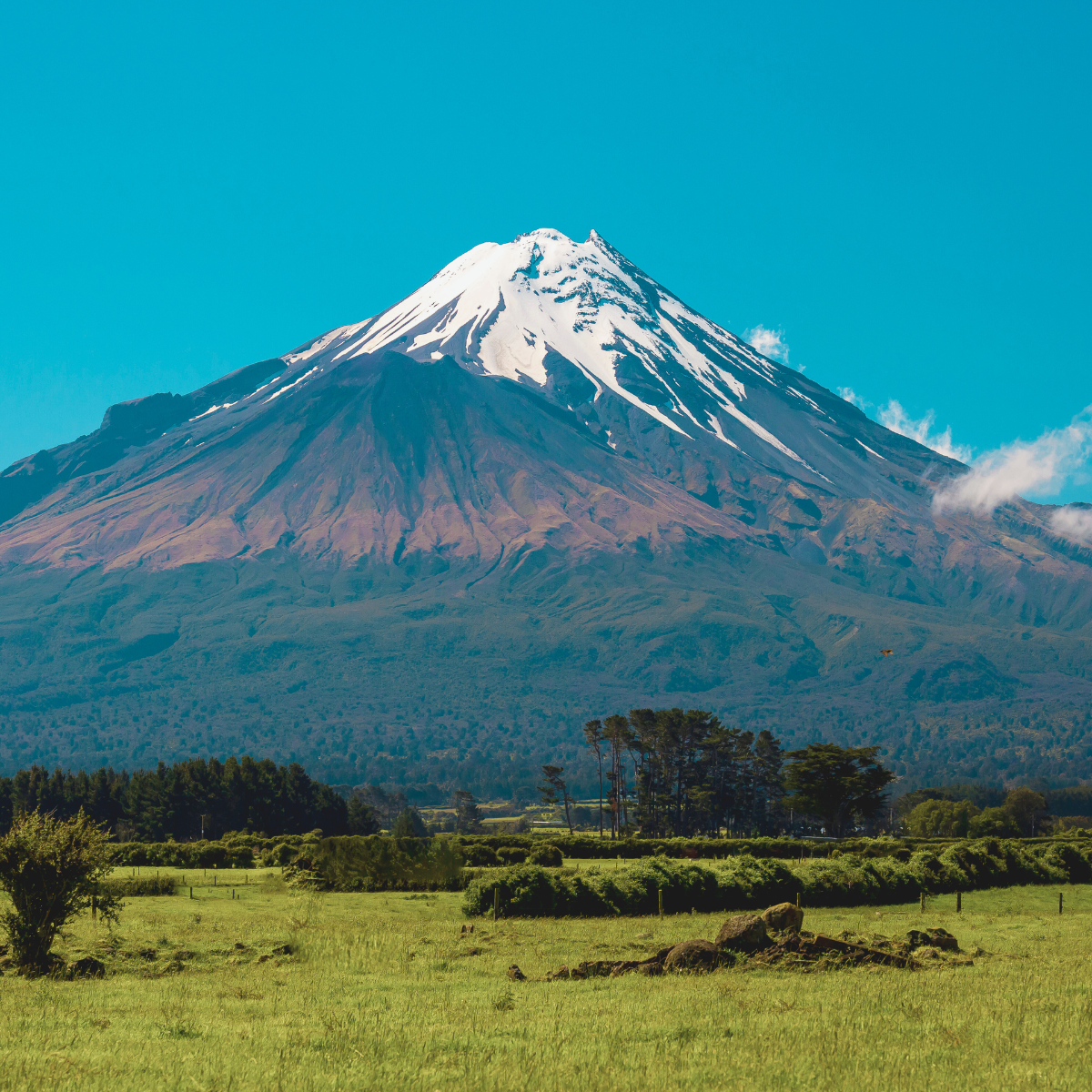
Aquiares, one of Costa Rica’s most historic coffee farms, sits high on the slopes of the Turrialba Volcano.
The largest coffee farm in Costa Rica, Aquiares devotes 80% of its land to growing high quality coffee and the remaining 20% to conservation. Coffee plots are interlaced with over a dozen natural springs and almost 20 kilometers in streams, all protected with buffer zones in line with our Rainforest Alliance certification. These streams form a network of natural corridors through the farm that connect the large protected forests in the two river valleys, providing a healthy environment for the local animals, birds, and plants.
In 1890, Aquiares was founded by farmers looking to take advantage of Costa Rica´s railroad to the port of Limón. The farm built its own mill, focusing on the washed-coffee processes that are indicative of Costa Rican coffee. Soon, the quality of Aquiares' coffee won it loyal clients in Europe, the United States and Japan.
In the early 1900's the English Lindo family acquired the farm. One of the first things they did (in 1925) was import an aluminum church from Belgium and specially order its stained glass windows from Italy. To this day, the church remains the heart of the Aquiares community.In 1949, the farm was bought by the Figueres family. This was the family of Pepe Figueres, the ex-president who abolished the Costa Rican Army. This famous family continued to develop and expand the farm until the early 1970s when three closely-knit families assumed ownership.
First plant of F1 CA we planted was back in 2011, with no real understanding of what we where getting ourselves into. Turns out this hybrid derived from the cross of Rume Sudan & Sarchimor T5296 was gonna love the fertile soils of Aquiares, and produce one of the best profiles of our unique volcanic, Caribbean and shaded terroir.
Vigorous plants produce burgundy red cherries bearing a dense, and large bean. We pick these lots every 15 days and only bring in 5-10 bags per day. A team of select pickers, or "microloteros" have in these years perfected the skill of selection for optimal ripeness.

Colombia Swiss Water Decaff
from £11.50
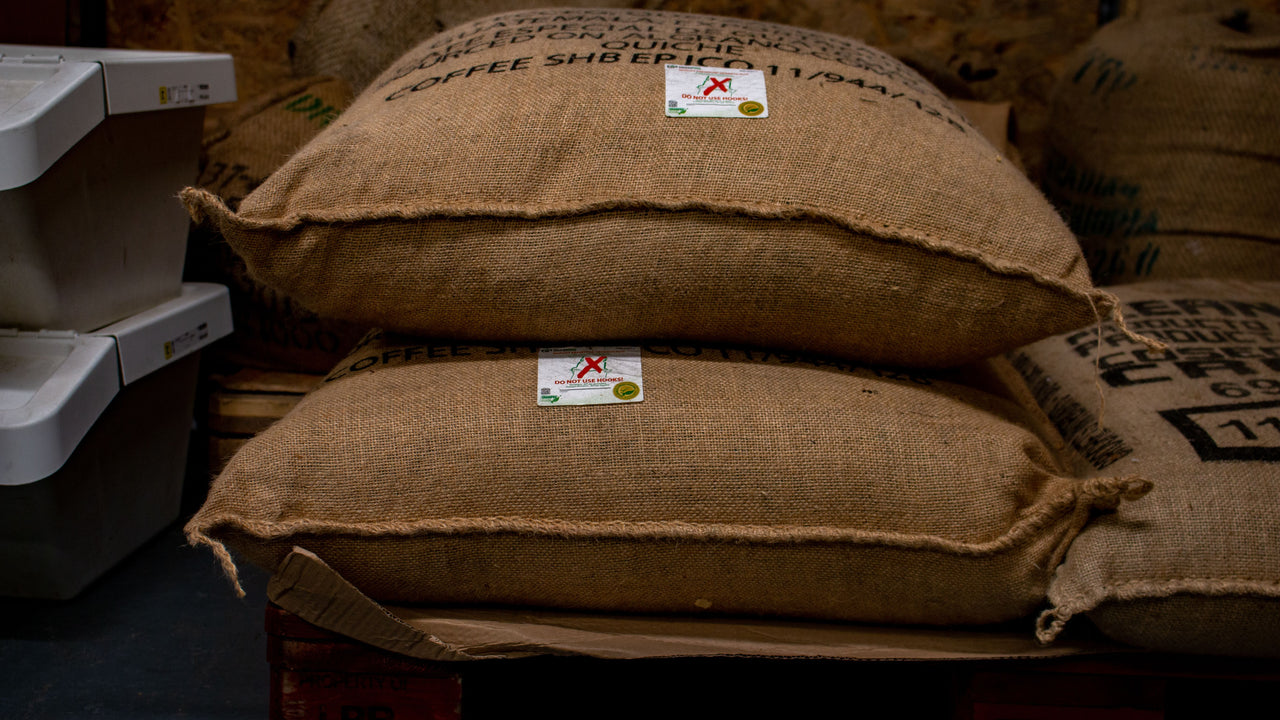
The Swiss Water process is an organic, 100% chemical-free option for decaffeination. It was discovered in the 1930s in Schaffhausen, Switzerland, and is commercialised by the Swiss Water Decaffeinated Coffee Company Inc, founded in 1988. This method does not require the addition of chemicals, instead relying on a super saturated green coffee solution called Green Coffee Extract (GCE).To decaffeinate coffee, fresh GCE is introduced to a batch of green coffee.
As the GCE is already saturated with all the water-soluble compounds found in green coffee, minus the caffeine, the matching molecules won’t diffuse out of the coffee beans—but the caffeine will. The flavour is retained in the beans while the caffeine is removed.Thanks to some scientific smarts and creativity, it’s possible to have decaf coffee that tastes the same – just without the caffeine!

What Our Customers Say About Us
